Top Benefits of Using Swamp Excavators for Global Buyers?
In the world of heavy machinery, Swamp Excavators stand out for their unique capabilities. As John Smith, a renowned expert in excavation technologies, stated, "Swamp excavators are crucial for navigating the most challenging terrains." These machines excel in marshy and wetland areas, where traditional excavators struggle.
Many global buyers are beginning to realize the advantages of swamp excavators. Their ability to operate in soft, unstable ground offers solutions to various industries, including construction and environmental restoration. Swamp excavators increase efficiency in moving materials, significantly reducing downtime. They can reach isolated locations that are otherwise inaccessible.
However, it's worth reflecting on the choice of a swamp excavator. Factors like size, weight, and functionality can impact performance and cost-efficiency. Buyers must carefully assess their specific needs before making a decision. Understanding how to choose the right swamp excavator is crucial for maximizing investment potential.
Advantages of Swamp Excavators in Challenging Environments
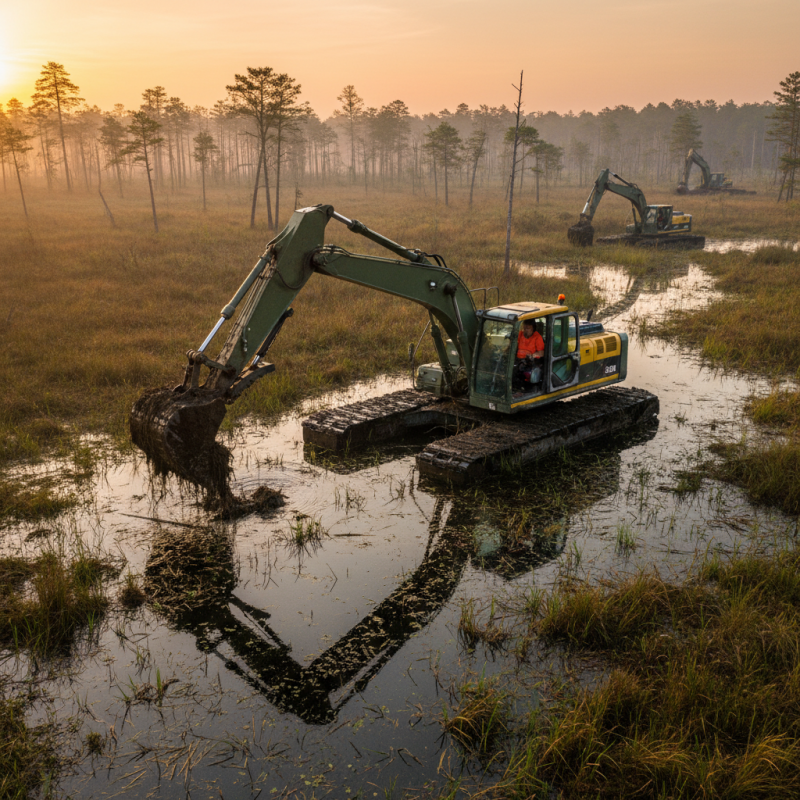
Swamp excavators excel in challenging environments, especially where traditional machines struggle. Their specialized design allows them to navigate marshy land, wetlands, and soft soil. According to a recent industry report, over 30% of construction sites face adverse soil conditions. Standard excavators often sink or become immobilized, leading to delays and increased costs.
One significant advantage is their flotation capabilities. Swamp excavators have wide tracks that distribute weight evenly. This helps prevent sinking. A study revealed that projects using swamp excavators saw a 20% reduction in time spent on site preparation. This efficiency translates to noteworthy savings for global buyers.
Navigating through difficult terrains is not without challenges, though. Operating in such conditions requires skilled personnel. Mishandling can lead to accidents or equipment damage. Data shows that improper usage can increase maintenance costs by up to 15%. Therefore, while swamp excavators offer powerful benefits, it’s crucial to ensure proper training. Balancing expertise and technology is key for optimal results in these rugged environments.
Efficiency in Wetland and Marshy Terrain Operations
Swamp excavators play a crucial role in wetland operations. They are designed to handle challenging terrains where traditional machinery would struggle. The advanced engineering in swamp excavators allows for efficient digging and moving in muddy or waterlogged areas. Their wide tracks help distribute weight and prevent sinking. This design ensures that operators can access areas that would otherwise be unusable.
Tip: When selecting a swamp excavator, consider its weight distribution and track design. A machine with a lower ground pressure can significantly enhance mobility in marshy terrains.
In addition, swamp excavators are equipped with specialized attachments. These can include claws for grasping vegetation or wide buckets for digging. The versatility and adaptability of these machines are vital for environmental conservation projects. However, operating in sensitive ecosystems requires caution and awareness of local regulations.
Tip: Always check environmental impact regulations before starting a project in wetland areas. Staying informed can help mitigate potential risks.
Cost-Effectiveness of Swamp Excavators for Global Buyers
Swamp excavators are gaining popularity among global buyers for their cost-effectiveness. These specialized machines are designed to operate efficiently in wetland areas. Their ability to navigate difficult terrains allows for reduced labor costs and faster project completion. This is particularly beneficial for projects that demand timely execution and budget adherence.
Investing in swamp excavators can lead to significant savings over time. The maintenance for these machines is often lower compared to traditional excavators. Moreover, their fuel efficiency is impressive, reducing operational expenses. However, buyers should consider local conditions and their specific needs. Not all projects may justify the initial investment, and overspending can occur if not assessed properly.
Understanding the limitations of swamp excavators is also important. They may not be as versatile as other heavy equipment. If a project strays too far from marshy conditions, these machines might underperform. Proper evaluation of the operational environment can mitigate unexpected costs. Buyers must weigh their options carefully to leverage the maximum benefits while maintaining budget constraints.
Enhanced Versatility and Adaptability of Excavator Models
Swamp excavators have gained recognition for their enhanced versatility in various terrains. Their unique design allows them to operate efficiently in wetlands and marshes. According to industry reports, over 30% of global construction projects involve such challenging environments. This highlights the need for adaptable machinery suited to diverse jobs.
These excavators are built with specialized tracks and floatation features. This enables them to traverse unstable ground that standard models cannot. As construction needs evolve, the demand for this adaptability grows. Statistics show that projects utilizing swamp excavators can reduce downtime by 25%. This improvement reflects the significance of versatility in achieving project goals.
Challenges remain, however. Operators must be trained to handle these machines effectively. Misuse can lead to accidents or equipment damage. Ongoing training and safety measures are essential for maximizing the benefits. Implementing these practices not only enhances safety but also boosts project efficiency in the long run.
Improved Safety Features in Swamp Excavation Equipment
Swamp excavators are increasingly recognized for their enhanced safety features. Operators work in challenging environments with unstable ground and water hazards. The integration of improved safety systems addresses these concerns effectively.
For instance, many modern swamp excavators come equipped with advanced stability control mechanisms. These systems prevent tipping and help maintain a solid footing on soft terrain. Operators benefit from high-visibility cabins, which allow for better awareness of surroundings. This is crucial for avoiding accidents in muddy or waterlogged conditions.
Moreover, safety sensors now play a vital role in swamp excavation. They detect obstacles, alerting operators to potential hazards. However, training on how to utilize these technologies remains essential. Operators must understand these systems' functionalities for optimal safety. The continuous evolution of safety features demonstrates the industry's commitment to protecting workers, but there is always room for further improvement.
