2026 Best Flexible Printed Circuit Solutions for Global Buyers
The demand for flexible printed circuit (FPC) solutions continues to surge globally, driven by the rapid advancements in electronics. According to a recent market research report from Fortune Business Insights, the flexible printed circuit market is expected to reach USD 32.80 billion by 2026, growing at a CAGR of 11.2%. This growth reflects the increasing adoption of miniaturized electronic devices across various sectors, including telecommunications, automotive, and medical industries.
As industries evolve, the need for innovative FPC solutions becomes paramount. Companies seeking reliable partners must navigate a crowded marketplace filled with diverse offerings. The key to success lies in understanding specific application needs and aligning them with quality production capabilities. Leading manufacturers not only provide high-quality flexible printed circuits but also emphasize efficient design and manufacturing processes.
However, not all players deliver the same value. Some may promise advanced features but fail in quality assurance. Buyers must critically evaluate each supplier's expertise and technology. Thorough research can reveal those that have a proven track record in delivering consistent and effective FPC solutions. Ultimately, making informed decisions is essential for long-term success in a competitive landscape.

Overview of Flexible Printed Circuit Technology
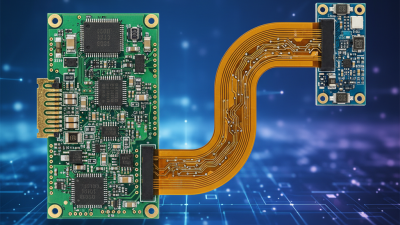
Flexible printed circuits (FPCs) represent a vital innovation in electronics manufacturing, enabling compact and lightweight designs. This technology significantly enhances the performance of devices across various industries, including consumer electronics and automotive. According to a recent market analysis, the global FPC market is projected to reach approximately $22 billion by 2026, reflecting a compound annual growth rate (CAGR) of around 10.5%.
One distinct advantage of FPCs is their adaptability in design. They can bend and fit into tight spaces, which is crucial for modern electronics. However, the production process can be complex. Achieving the right balance between flexibility, durability, and electrical performance requires extensive expertise. It’s essential to pay close attention to material selection, as not all polymers used provide the necessary electrical properties or resistance to stress.
Challenges also arise with the need for higher reliability standards. As electronics become more integrated into critical applications, the failure rates must be addressed. Manufacturing defects impact supply chains and end-user trust. Reports indicate that nearly 30% of all FPC designs face issues post-production. As such, iterative testing and redesign are crucial steps. Continuous improvement practices are essential to ensure that performance metrics meet or exceed industry expectations.
Key Advantages of Flexible Printed Circuits
Flexible Printed Circuits (FPCs) offer significant advantages that cater to the evolving needs of modern electronics. Their thin, lightweight design allows for efficient use of space in compact devices. This flexibility is essential in industries like consumer electronics and automotive, where designers seek innovative solutions. FPCs can easily conform to various shapes. They simplify assembly processes, which can lead to reduced production time.
Durability is another key benefit. FPCs can endure mechanical stress better than traditional rigid circuits. They can withstand bending and twisting without compromising performance. This characteristic is particularly valuable in wearable technology, where devices must endure movement and varying environmental conditions. However, it is essential to recognize that not all FPCs are created equal. The quality of materials and manufacturing processes can significantly impact reliability.
Cost is also a consideration. While FPCs can lead to savings in space and assembly time, the initial investment can be higher than traditional circuits. Buyers must weigh these factors carefully. Working with knowledgeable suppliers can help ensure that the chosen solution meets both performance and budgetary needs. FPCs are a powerful solution, but each project must be evaluated individually to achieve optimal results.
Top Manufacturers of Flexible Printed Circuits in 2026
The flexibility of printed circuits has transformed various industries. Many manufacturers are adapting to meet evolving demands. In 2026, a select group stands out in providing innovative solutions. These companies focus on high-quality materials. This ensures durability and performance in diverse applications.
Some challenges persist in the flexible circuit sector. Manufacturers grapple with temperature stability and efficiency. A few are still finding their footing in advanced technology. This creates opportunities for growth and improvement. Innovation is essential for keeping up with market trends. Leading manufacturers emphasize sustainable practices and reliability. They aim to reduce waste while maintaining high standards.
Industry experts predict increased competition. This could drive new ideas and better pricing. Buyers must navigate this landscape carefully. Choosing a partner requires thorough research and understanding. Not all solutions will fit every need. Flexibility in design and a solid support system are vital. Buyers should seek out companies that prioritize long-term collaboration.
Market Trends Influencing Flexible Printed Circuit Demand
The flexible printed circuit (FPC) market is experiencing notable changes. There is a growing demand spurred by advancements in technology and the miniaturization of electronic devices. Industries such as consumer electronics, automotive, and healthcare actively contribute to this surge. The flexibility and lightweight nature of FPCs allow manufacturers to design compact and efficient products. This adaptation is crucial for meeting modern demands.
As environmental concerns rise, sustainability is influencing flexible printed circuit choices. Manufacturers are increasingly focusing on eco-friendly materials and production processes. This shift not only meets regulatory requirements but also appeals to consumers who prioritize sustainability. Staying informed about these trends is essential for buyers looking to make responsible purchasing decisions.
When choosing flexible printed circuit solutions, consider quality over quantity. Assess the reliability of materials and the manufacturing process. This careful selection can lead to better performance and longer product life. It's also beneficial to keep an eye on evolving market trends. Regularly updated knowledge can help inform smarter investment choices in FPC technology.
2026 Best Flexible Printed Circuit Solutions for Global Buyers
| Application |
Material Type |
Market Share (%) |
Growth Rate (%) |
Region |
| Consumer Electronics |
Polyimide |
30 |
5.2 |
North America |
| Automotive |
LCP |
25 |
6.5 |
Europe |
| Medical Devices |
Epoxy |
15 |
7.0 |
Asia Pacific |
| Telecommunications |
Polyester |
20 |
4.8 |
Latin America |
| Aerospace |
Thermal Resistant |
10 |
8.0 |
Middle East |
Applications of Flexible Printed Circuits in Various Industries
Flexible printed circuits (FPCs) are versatile components used across various industries. Their lightweight and compact design make them a preferred choice for applications in electronics, automotive, and medical devices. In electronics, FPCs help create thinner, more efficient gadgets. This enables sleek designs for smartphones and portable devices.
In the automotive sector, FPCs support complex wiring systems. They ensure reliable connections in advanced driver assistance systems and infotainment units. However, the durability of these circuits can vary based on their manufacturing quality. Pay attention to the specific requirements of your application when selecting FPCs.
For medical devices, FPCs are instrumental in developing wearable technology. They are crucial in monitoring vital signs in real time. The flexibility allows seamless integration into devices worn on the body. One challenge is ensuring that these circuits withstand sterilization processes without degrading.
It’s essential to understand the limitations of the materials used. Sometimes, a minor oversight in circuit design can lead to significant issues during production. Consulting with experts can provide valuable insights into optimizing your designs and avoiding common pitfalls.
Applications of Flexible Printed Circuits in Various Industries