Discover the Best Rigid Flex Solutions for Global Buyers?
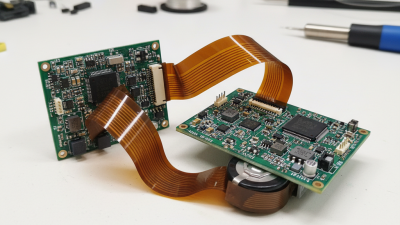
Rigid flex technology has revolutionized the electronics industry. It combines the benefits of rigid circuits and flexible circuitry. This innovation allows designers to create compact, lightweight solutions that can fit in confined spaces. For global buyers, finding the best rigid flex solutions is essential.
Quality and reliability are paramount in rigid flex manufacturing. The right choice ensures enhanced performance and durability. It's crucial to evaluate aspects such as material quality, fabrication techniques, and testing standards. Each decision impacts the final product’s success. Potential buyers often face challenges while navigating the market. They may encounter varied supplier capabilities and price points.
Investing time in thorough research is vital for optimal outcomes. Understanding different manufacturers’ strengths and weaknesses aids in making informed choices. An ideal partner should offer a range of flexible options tailored to specific needs. The quest for the best rigid flex solutions is ongoing. It demands constant evaluation and adaptation to evolving technologies.
Understanding Rigid Flex PCB Market Size and Growth Trends
The rigid flex PCB market is experiencing significant growth, driven by increasing demand in various sectors such as consumer electronics and automotive industries. According to a recent industry report, the global market size is projected to reach $13 billion by 2027, expanding at a CAGR of over 10% from 2021. This trend reflects a notable shift towards compact and flexible electronic solutions.
Market growth is largely influenced by advancements in technology. For instance, the consolidation of multiple functions onto single boards is becoming common. This integration leads to reduced weight and enhanced performance. However, the complexity in manufacturing these PCBs raises questions about quality control and production efficiency. Some manufacturers may struggle with maintaining consistent quality, which can impact their reputation and customer satisfaction.
Investors are keenly observing the rigid flex PCB landscape. Established companies and new entrants alike are navigating challenges such as fluctuating raw material prices and evolving consumer demands. A detailed analysis revealed that while the market is poised for strong growth, stakeholders must remain vigilant. Adapting to technological changes and consumer preferences will be crucial for success in this dynamic market.
Key Applications and Industries Driving Rigid Flex Technology Adoption
Rigid flex technology is seeing significant adoption across various industries. According to a report by the market research firm IDTechEx, the global market for rigid flex circuits is projected to reach approximately $18 billion by 2026. This growth is driven by the demand for compact and lightweight solutions. Industries such as consumer electronics and automotive are leading the way.
In consumer electronics, the trend towards thinner devices is pervasive. Rigid flex circuits allow for intricate designs that save space without compromising performance. For example, smartphones often utilize these circuits for flexible displays and tight internal layouts. Meanwhile, the automotive sector increasingly employs rigid flex technology for advanced driver-assistance systems (ADAS) and infotainment systems. In fact, a study indicated that the use of rigid flex circuits in automotive applications could rise by 40% over the next few years.
Medical devices represent another key application area. Devices such as wearable health monitors require both compactness and reliability. Rigid flex circuits can meet these challenges, ensuring that devices function effectively without taking up excessive space. However, challenges remain in quality control and material durability. Ensuring that these circuits withstand environmental factors is vital for long-term use in critical applications. This ongoing focus on performance and reliability reveals the need for continuous improvement in rigid flex technology.
Evaluating Material Types and Their Impact on Rigid Flex Performance
Rigid flex circuits are becoming increasingly important for global buyers. Understanding the material types can significantly impact their performance. Each material brings unique properties that can enhance or hinder circuit functionality. Common options include polyimide and polyester films, which each offer different levels of flexibility, thermal resistance, and dielectric strength.
Polyimide, for example, is known for its excellent thermal stability. It can withstand high temperatures, making it ideal for demanding applications. However, it is more expensive than other materials. On the other hand, polyester is more affordable but may not perform as well under extreme conditions. Buyers should reflect on their specific needs and budget when choosing materials.
Material choice also influences reliability. Rigid flex circuits often face conditions such as vibration and thermal cycling. The right substrate can help mitigate these challenges, but many overlook this factor. Testing materials under real-world scenarios can reveal potential weaknesses. Balancing cost and performance is essential for a successful project.
Top Manufacturers and Suppliers in the Rigid Flex Market Landscape
Rigid flex technology is gaining traction in various industries. The market is expected to reach $10 billion by 2027. This growth highlights the importance of robust suppliers and manufacturers in meeting global demand. Companies are exploring innovative designs, enhancing flexibility and strength in their circuits.
Leading suppliers in the rigid flex sector prioritize advanced manufacturing techniques. For example, they employ automated processes for precision. Reports indicate that manufacturers with high-quality assurance standards often outperform competitors. Their commitment to reliability ensures long-lasting products. However, challenges remain in sourcing materials that meet stringent quality requirements.
Industry analysts point out potential gaps in the supply chain. Disruptions can hinder timely production schedules. Moreover, not all manufacturers can scale effectively for large orders. Buyers should consider these factors when evaluating suppliers. Working with experienced partners can mitigate risks associated with quality and delivery timelines. By fostering strong relationships, global buyers can secure the best rigid flex solutions.
Global Rigid Flex Solutions Market Analysis
Future Innovations and Emerging Technologies in Rigid Flex Solutions
The rise of rigid flex solutions is reshaping various industries. In sectors like consumer electronics and automotive, these solutions play a pivotal role. They combine flexibility and rigidity, allowing manufacturers to create compact designs. This trend is bolstered by the increasing demand for lighter and more efficient electronics. Reports indicate that the rigid flex PCB market is expected to reach $5 billion by 2026, growing at a CAGR of 6.5%.
Emerging technologies are driving innovation in rigid flex solutions. Companies are focusing on advanced materials and processing techniques. These innovations enhance performance while reducing production costs. For instance, the use of polyimide films improves thermal resistance, crucial for high-performance applications. Additionally, as the Internet of Things (IoT) expands, there's a growing need for smaller, more versatile PCBs. A recent study highlights that 60% of manufacturers are investing in R&D to explore new applications.
While the future looks promising, challenges remain. Supply chain disruptions and material shortages can hinder development. Companies must strategize to mitigate these risks. Furthermore, environmental concerns around material disposal are pressing issues. Sustainable practices in manufacturing are not just preferred but necessary. The balance between innovation and responsibility must be addressed as the rigid flex industry evolves.