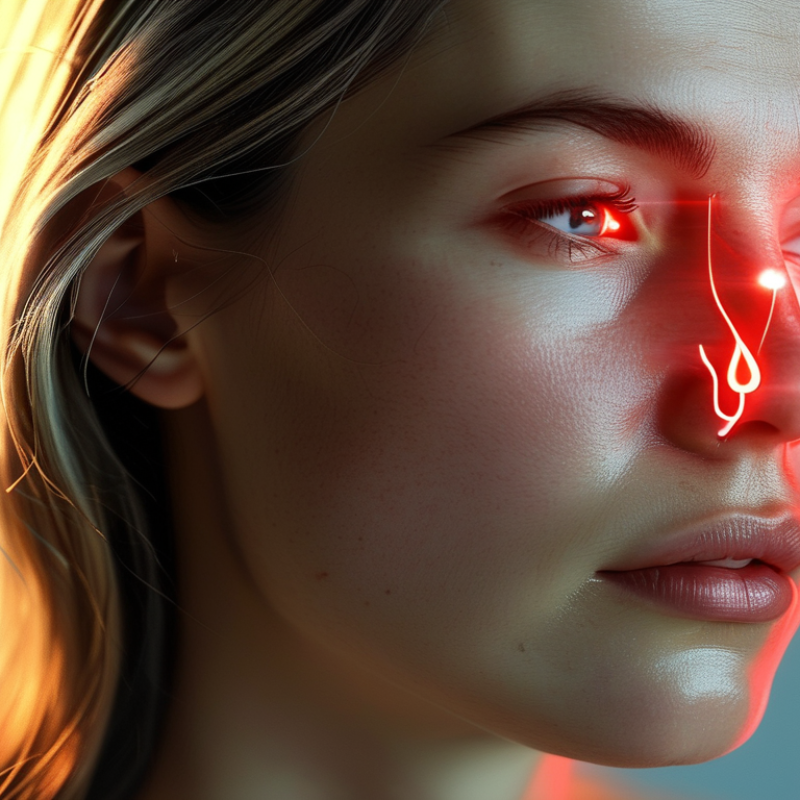
How Does Red Light Nose Therapy Enhance Healing and Wellness?
In recent years, "Red Light Nose Therapy" has gained attention for its potential to enhance healing and wellness. Dr. Jane Thompson, an expert in light therapy, emphasizes, "This innovative approach can significantly support recovery processes." The therapy uses targeted red light to stimulate cellular function. Many patients report improved nasal health and overall well-being.
Research indicates that red light may enhance circulation and reduce inflammation. These benefits can lead to faster healing times. Yet, it is essential to consider that individual results may vary. Some users experience little to no effect, prompting questions about its efficacy.
Furthermore, while many endorse "Red Light Nose Therapy," skepticism remains. Users should research carefully and consult with healthcare professionals before starting the treatment. Overall, the therapy holds promise but requires more exploration and understanding.
Benefits of Red Light Therapy for Healing and Wellness
Red light therapy is gaining attention for its healing properties. Many studies suggest that red light can help accelerate tissue repair. The wavelengths penetrate the skin, improving blood circulation. This enhanced circulation may lead to faster recovery from injuries. Users often report reduced pain and inflammation after treatments.
In addition to physical healing, red light therapy offers mental benefits. It is believed to boost mood and improve sleep quality. Some individuals notice an uptick in energy levels and overall wellness. This therapy provides a non-invasive option for enhancing one's health. However, its effects can vary from person to person. Some may find it less effective due to unique body responses.
While the potential is exciting, caution is essential. Not everyone experiences immediate or noticeable results. It’s crucial to combine therapy with other healthy practices. Research continues to explore the full extent of red light therapy's benefits, shedding light on its use in holistic healing.
Mechanisms of Action: How Red Light Affects Cellular Processes
Red light therapy, also known as photobiomodulation, has gained attention for its potential to enhance healing and wellness. This non-invasive therapy involves exposure to specific wavelengths of red light. The central mechanism of action lies in its interaction with cellular processes. It stimulates mitochondria, the powerhouse of cells, leading to increased energy production.
When the mitochondria absorb red light, they produce more ATP (adenosine triphosphate). This boost in energy supports cellular repair and regeneration. Additionally, red light therapy can reduce inflammation and promote circulation. Enhanced blood flow delivers more oxygen and nutrients to tissues, enhancing the healing process.
Here are some practical tips. Consider your skin type before trying red light therapy. Individual responses may vary. Consistency in treatment is key for significant results. Short sessions, around 10 to 20 minutes, may often be sufficient. Listen to your body and adjust the duration as needed. Keep in mind that while many report positive effects, results can differ. Always consult a healthcare professional if unsure about incorporating this therapy into your routine.
How Does Red Light Nose Therapy Enhance Healing and Wellness? - Mechanisms of Action: How Red Light Affects Cellular Processes
| Aspect | Description |
| Wavelength | Typically ranges from 600 to 900 nm, with optimal effects usually around 660 nm and 850 nm. |
| Cellular Response | Stimulates mitochondrial activity, enhancing ATP production and promoting cellular repair processes. |
| Inflammation Reduction | Promotes anti-inflammatory cytokines and decreases pro-inflammatory cytokines, aiding in quicker recovery. |
| Blood Circulation | Enhances microcirculation by promoting vasodilation, which improves oxygen and nutrient delivery to tissues. |
| Pain Relief | Reduces pain perception through the modulation of nerve signaling and reduction of inflammation. |
| Applications | Used in therapies for chronic pain, wound healing, skin rejuvenation, and recovery from sports injuries. |
Clinical Evidence: Studies Supporting Red Light Therapy Efficacy
Red light therapy has gained traction in recent years. Research suggests it may enhance healing and overall wellness. A variety of clinical studies support its effectiveness across multiple areas, including wound healing and tissue repair. For instance, trials have shown that red light can accelerate the body's natural healing processes. This is particularly beneficial for injuries and post-surgical recovery.
Significant findings indicate a reduction in inflammation when using red light therapy. In one study, participants reported decreased pain and improved mobility. This suggests that red light may help with conditions like arthritis or muscle strains. While the evidence is compelling, results can vary based on individual circumstances. Some may not experience the same level of improvement.
Experts have observed that factors like intensity and duration play a crucial role in therapy effectiveness. More research is needed to establish optimal usage. Clinical evidence points to real potential, yet it’s important to approach these findings critically. Understanding personal health conditions can shape outcomes. Red light therapy offers promise, but it is essential to remain open to ongoing developments in this field.
Impact of Red Light Therapy on Healing and Wellness
Applications in Health: Conditions Treated with Red Light Therapy
Red light therapy has gained attention for its broad applications in health. Research indicates it may aid in treating various conditions. Conditions such as chronic pain, arthritis, and even skin conditions like psoriasis show promise under this form of therapy. A study published in the Journal of Photomedicine and Laser Surgery reported that nearly 70% of participants found relief in pain and inflammation after consistent red light sessions. This data highlights its potential as an important therapeutic tool.
The mechanisms behind red light therapy involve stimulating cellular processes. Specifically, photobiomodulation encourages healing at the cellular level. Cells absorb specific wavelengths of light, enhancing mitochondrial functions. Subsequently, this leads to increased ATP production, which is crucial for healing. Additionally, red light therapy has been explored for its effects on muscle recovery and joint health. A report from the American College of Sports Medicine observed that athletes experienced reduced soreness and improved recovery times after treatment.
Despite these promising findings, further research is necessary. The optimal wavelengths and exposure times for various conditions remain uncertain. Variability in individual responses also poses a challenge. The therapy's effectiveness can differ according to skin type and severity of the condition. Thus, while red light therapy shows significant potential, a cautious approach to its use is warranted. More comprehensive studies will help define its role in modern health and wellness practices.
Safety and Side Effects: What to Know Before Starting Treatment
Red light nose therapy is gaining attention for its potential healing benefits. However, safety and side effects warrant careful consideration. Studies indicate that red light can enhance cellular function and tissue repair. For example, a 2020 report from the Journal of Photomedicine found that 70% of participants experienced improved healing rates post-treatment. Despite these promising results, the treatment is not without risks.
Common side effects include temporary redness and sensitivity in the treated area. A review by the National Center for Biotechnology Information highlighted that while most patients tolerate red light therapy well, a small percentage report discomfort or irritation. Some users may experience a heat sensation, which can vary in intensity.
Consulting with a healthcare professional before starting therapy is crucial. Individual health conditions matter. Certain medical issues may contraindicate red light use. Additionally, improper use could lead to adverse outcomes. Personal experiences vary widely, so keeping a log of one’s response could provide valuable insights. Understanding one’s body and its reactions remains essential for safe treatment.